🛞 Bicycle Wheels – Types, Materials & Choosing the Right Set
🛞 Bicycle Wheels – Types, Materials & Choosing the Right Set
Wheels are one of the most critical components affecting speed, comfort, and handling. From classic spoked wheels to advanced aerodynamic designs such as lenticular time trial (TT) wheels, understanding wheel types, materials, and formats is essential for performance and safety.
🔧 Key Features of Bicycle Wheels
- Diameter: Most common sizes are 700c (road), 650b, and 26"/27.5"/29" (MTB).
- Rim Material: Aluminum (durable, lightweight), carbon fiber (lightweight, aerodynamic).
- Spoke Type and Count: Fewer spokes = lighter and more aerodynamic; more spokes = stronger and more durable.
- Hub Type: Quick-release, thru-axle, or internal gear hubs.
- Wheel Width / Tire Compatibility: Must match intended tire type and usage.
🚴 Main Types of Wheels
⚡ Road / Racing Wheels
Lightweight wheels, often 700c, designed for speed and efficiency on paved roads.
- Best for: Road racing, endurance rides.
- Features: Deep-section rims for aerodynamics, lightweight hubs, minimal rolling resistance.
⛰️ Mountain Bike Wheels
Durable wheels with wider rims and higher spoke counts to handle rough off-road terrain.
- Best for: Cross-country, trail, enduro, downhill.
- Features: Strong hubs, tubeless-ready rims, wider internal width for stability.
🏞️ Gravel & Cyclocross Wheels
Versatile wheels for mixed surfaces, often tubeless-compatible for low pressure and better traction.
- Best for: Gravel riding, cyclocross racing, adventure bikes.
- Features: Medium-depth rims, robust construction, lightweight.
🌬️ Aerodynamic / Time Trial Wheels
Lenticular or fully closed wheels optimized for minimal air resistance.
- Best for: Time trials, triathlon, track cycling.
- Features: Deep-section or disc wheels, very stiff, aerodynamic advantages, heavier than standard rims.
🏙️ Urban / Commuter Wheels
Durable, low-maintenance wheels designed for city riding.
- Best for: Commuting, city bikes, casual riders.
- Features: Wider tires for comfort, strong rims, puncture-resistant tires.
💡 Tips for Choosing the Right Wheelset
- Consider riding surface (road, gravel, MTB, urban) when selecting material and width.
- Lightweight carbon wheels improve speed but are costlier and less durable off-road.
- High spoke count increases strength for heavier riders or rough terrain.
- Aerodynamic wheels are ideal for racing but may be affected by crosswinds.
- Ensure hub compatibility with your frame/fork (thru-axle vs quick-release).
❓ FAQ – Bicycle Wheels
Q1. What is the difference between tubeless and clincher wheels?
Tubeless wheels do not require inner tubes, allow lower pressures, and reduce punctures; clincher wheels use standard inner tubes.
Q2. What is a lenticular wheel?
A lenticular (or disc) wheel has a solid surface for aerodynamics, mainly used in TT and triathlon.
Q3. How often should I service my wheel hubs?
Typically every 6–12 months depending on riding conditions; clean, grease, and adjust bearings.
Q4. Can I mix wheel types on one bike?
Generally not recommended; front and rear wheels should match in type and diameter for safety and performance.
Learn more in our full FAQ.
🔗 Related Articles
- Bicycle Components Explained
- Road Bikes – Speed, Endurance & Performance
- Mountain Bikes (MTB)
- Gravel Bikes – Versatility on and off the Road
- Urban & Commuter Bikes
The Ultimate Cycling Guide: Bikes, Gear, Training & Lifestyle
- Check out our Ultimate Cycling Guide to explore cycling in every aspect. From beginners to advanced riders, the detailed guides help build knowledge and confidence on two wheels.









Sale
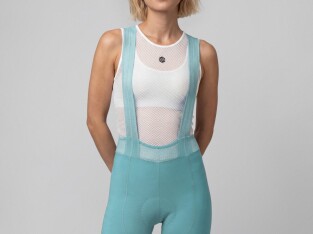
Calções de ciclismo com alças mulher Siroko BX-W Neon Riders Blue
- 1 month
Sale
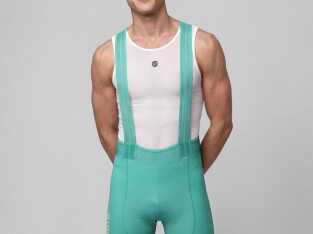
Calções de ciclismo com alças homem Siroko BX Neon Riders Green
- 1 month